
keyword research isn’t just about finding high-volume search terms—it’s about understanding your audience’s intent and behavior using the power of artificial intelligence (AI). AI is transforming the digital marketing landscape, enabling smarter strategies that focus on relevance, personalization, and content depth.
Whether you’re a seasoned SEO expert or just starting out, learning how to leverage AI for keyword research is essential to keeping your website visible, valuable, and competitive.
🧠 Why AI Is Revolutionizing Keyword Research
Traditional keyword research methods are becoming outdated. Manual processes and static tools lack the ability to understand context, behavior patterns, and real-time search evolution. That’s where AI comes in.
✅ Benefits of AI-Powered Keyword Research
- Speed and Scale: AI scans billions of data points in seconds, saving hours of manual research and enabling rapid keyword ideation.
- User Intent Understanding: AI tools analyze not just keywords, but also why users are searching—categorizing terms by informational, transactional, navigational, or commercial intent.
- Long-Tail Keyword Discovery: With machine learning, AI identifies niche, high-converting long-tail keywords that traditional tools often miss.
- Content Gap Detection: AI pinpoints areas where your competitors are ranking and you aren’t—helping you create content that fills those gaps.
- Search Trend Prediction: AI models forecast future keyword trends based on emerging patterns in user behavior and market changes.

Include features like:
- Manual vs automated keyword discovery
- Static data vs real-time trend analysis
- Volume-focused vs intent-focused
- Screenshot of SEMrush or Ahrefs keyword overview for the same query
🛠️ Best AI Keyword Research Tools to Use in 2025
There’s a wide variety of AI-enhanced SEO tools—each tailored to different goals. Here’s a breakdown of the top platforms.
| Tool | Best For | Key Features |
| SEMrush | Professionals & agencies | Keyword clustering, SERP intent analysis |
| Ahrefs | Competitive SEO analysis | SERP overview, keyword gaps, traffic potential |
| Frase.io | Content writers | AI content briefs, SERP topic comparison |
| Surfer SEO | On-page SEO optimization | NLP scoring, keyword density, structure tips |
| MarketMuse | Enterprise-level strategy | Keyword intent graphs, topical authority |
| Keyword Insights | Strategic content planning | Clustering, intent detection, mapping |
| Ubersuggest | Beginners & freelancers | Keyword ideas, SEO audits, backlink suggestions |
| AnswerThePublic | Idea generation | Visualized questions and auto-complete data |
| ChatGPT | Brainstorming & ideation | Semantic suggestions, long-tail variations |
🔍 How to Do Keyword Research with AI (Step-by-Step)
1. Start with a Seed Topic
Input a primary keyword or phrase (e.g., “home workout plans”) into your preferred AI keyword tool.
2. Generate & Analyze Keyword Ideas
Let the AI return keyword clusters, long-tail variations, and related questions. Look at:
- Search volume
- Competition level
- Intent classification
- Trend growth
3. Filter by Intent and Relevance
Choose keywords that match your business goals. For example:
- “Hire a digital marketing agency“ = Transactional
- “What does a digital marketing agency do?” = Informational
These help you align content with user intent—whether they’re ready to take action or just researching.
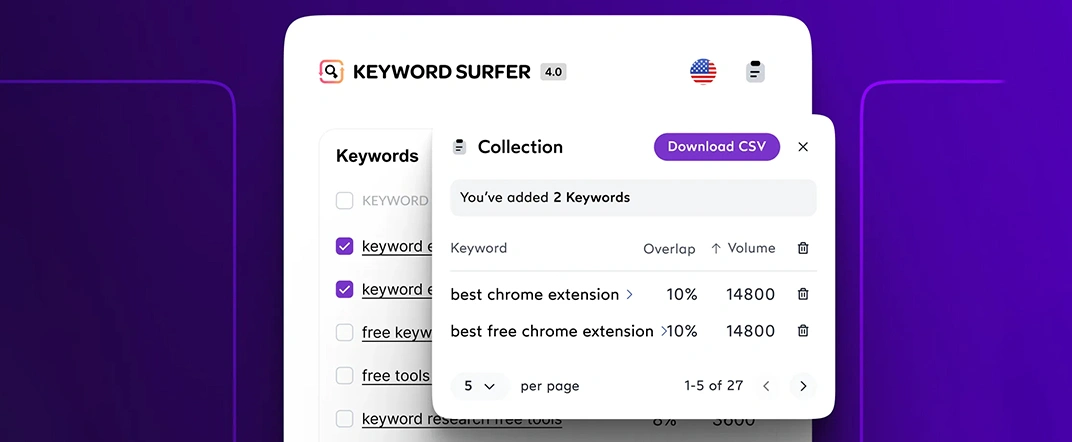
4. Cluster Keywords Logically
Group keywords by theme. This helps you structure content in a way that targets multiple related queries with one well-optimized page.
5. Create AI-Optimized Content
Use tools like Surfer or Frase to:
- Optimize for your chosen keywords
- Ensure correct structure, density, and readability
- Maintain semantic richness

🔄 Google Keyword Planner Alternatives (Better with AI)
Google Keyword Planner still serves a purpose, but lacks intent categorization and content optimization features. Here are smarter alternatives:
| Tool | Why It’s Better |
| Frase | Live SERP data + content brief generator |
| Keyword Insights | Auto-clustering + intent detection |
| Ubersuggest | Easier for beginners + low-cost |
| AnswerThePublic | Visual keyword exploration |
| SEMrush / Ahrefs | Enterprise-level data + competitive analysis |
🔮 The Future of SEO with AI
Here’s where things are headed—and why early adoption of AI tools will put your brand ahead of competitors:
- Predictive Content Creation: AI will suggest content based on future demand, not just past trends.
- Zero-Click Optimization: More searches will result in no-click answers; AI helps you rank in featured snippets.
- Visual & Voice Search Integration: AI keyword tools will increasingly optimize for Google Lens, Siri, Alexa, etc.
- Automated Content Refresh: AI will alert you when keywords decline and content needs updates.

📝 Key Takeaways
✅ Let AI automate the complex parts of keyword research
✅ Focus on search intent and long-tail keywords
✅ Use clustering and intent-based content planning
✅ Optimize in real time with tools like Frase, Surfer SEO, or MarketMuse
✅ Stay ahead by adopting AI-driven SEO strategies early
🧩 Conclusion: Embrace the AI Advantage in Keyword Research
The future of SEO is already here—and AI is the key to staying ahead. With intelligent tools that understand search intent, behavior patterns, and emerging trends, AI-powered keyword research allows you to make smarter, faster, and more impactful SEO decisions.
By embracing these technologies, you can:
- Uncover profitable long-tail keywords
- Align content with user intent
- Fill content gaps your competitors missed
- Optimize in real time and adapt with data
✅ Let AI do the heavy lifting—so you can focus on growth, creativity, and conversions.
At E-Digital, we specialize in AI-driven SEO strategies that help businesses dominate search results and build sustainable traffic. Whether you’re a startup, local business, or enterprise brand, we’ll tailor the right tools and tactics to your goals.
👉 Explore our SEO services and see how we can take your keyword strategy to the next level.